It’s now January and I know some people who choose not to hibernate their pet tortoises sometimes struggle to offer a healthy, varied diet to their tortoises during the winter months, when it is difficult to source fresh and natural homegrown or foraged food.
However, there are still plenty of tortoise safe foods available that can be fed.
Below I have divided the post into 5 different ways to source food and nutrition for your tortoise.
Year round I feed my tortoise a low protein diet of weeds, leafy plants and flowers. I use the Tortoise Table to determine what is safe, and avoid all fruits and vegetables as they contain sugars that Mediterranean tortoises have difficulty processing.
Supermarkets
During the winter, what you find in the supermarkets may have to form a bulk of your tortoise’s diet. I use a bag like the Florette Crispy which usually contains leaves like lambs lettuce, radicchio, chicory, mizuna, rocket and lettuce, or similar white brand of mixed-leaf salad bags.

You can also find bags of lamb’s lettuce, which is usually a little more difficult to find, or any of the individual salad leaves mentioned above. These will also be fine to feed but it is better a mixed bag because the variety is what is key.
I usually empty one bag into a lidded plastic container, together with other leaves, with a paper towel on top of the leaves, and then lid, and this will give me about 7-8 days of meals.
A cucumber is also a great addition to pick up from the supermarket. It adds crunch, texture and hydration, as well as vitamins C, K, Potassium and fiber.
Microgreens such as watercress and mustard greens are available in supermarkets all year round and is a good option for tortoises.

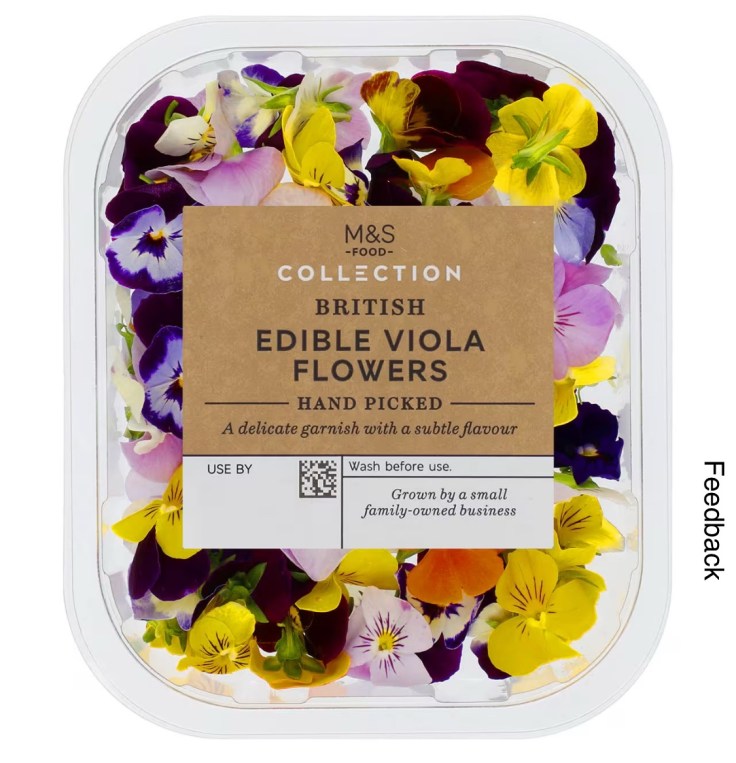
Edible flowers such as violas are winter flowering plants are also sold ready-to-eat, at retailers like Marks & Spencers, as edible decorations for salads and baked goods. While pricey, this is another option to ensure your tortoise gets a variety of foods into their diets.
Kale, sold in bags, has become more and more common in supermarkets in the past couple of years and while is a moderate feed, as kale is high in oxalates which can inhibit the intake of calcium in tortoises, kale can form part of a varied diet, so ensure this is only an occasional feed but is one that my tortoise really enjoys!
Winter Garden Plants
That’s right, everything mentioned above can be kept alive, and even thrive in winter. Personally though, even with a greenhouse, I struggle with growing more delicate leaves like salad in winter because they do need almost daily attention and to be frank, who wants to attend to the garden or greenhouse plants when it is minus temperatures outside?
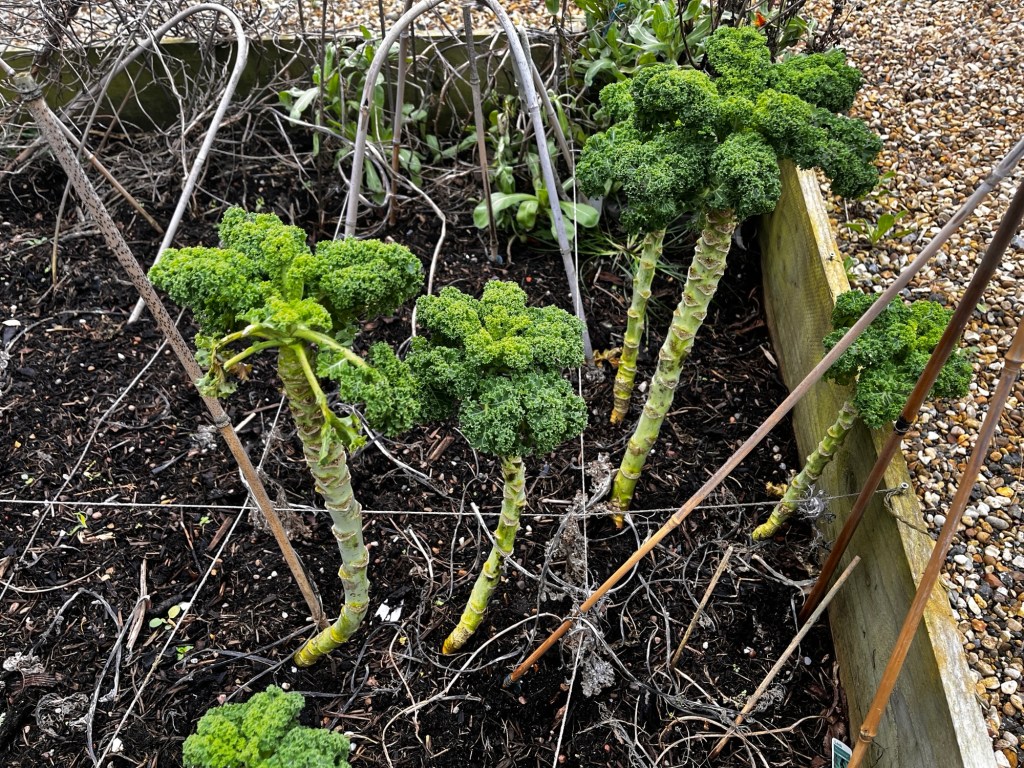
That being said, I always like to have a stock of kale in the garden growing at any one time as I find that they are virtually indestructible: from experience, they seem frost and pest resillient.

Pansies and Violas grown in pots and hanging baskets add a splash of colour to a winter garden winter and can also be fed to tortoises but to do this takes a little bit of time and organisation. The easiest option would be to plant these plants from seed at the end of summer to have blooms in winter.
Garden centres and supermarkets usually have them for sale cheaply in nursery pots at the end of Summer/ beginning of Autumn, but for best practice, it is best not to feed these flowers directly to the tortoise at this stage: the plants will still contain pesticides and fertilisers remaining from the retailer.
It is best to wait 3-6 months for a set of new flowers to bloom. These should be free from nasties and safe to feed. Pansies and violas do take a little maintenence, however. For continual flowering during winter, they need deadheading of the spent flowers (or cut and feed regularly to tortoise, obviously) to encourage growth and more blooms.
House and windowsill/balcony plants
If you have a pet tortoise, chances are, you also have houseplants, so when you are contemplating the next houseplant to buy, strategically purchase a plant you can enjoy in the home, as well as feed to your tortoise as part of their occasional diet.
I have a few fail safe tortoise feed house plants that I like to take cuttings of so at any one time, I have several small plants of some of my tortoise’s favourite. This means that I can swap them in and out of his table, so he can graze accordingly.
Callisia Repens /Turtle Vine is a wonderful, fast growing and rooting trailing houseplant that my tortoise loves.

Sedum

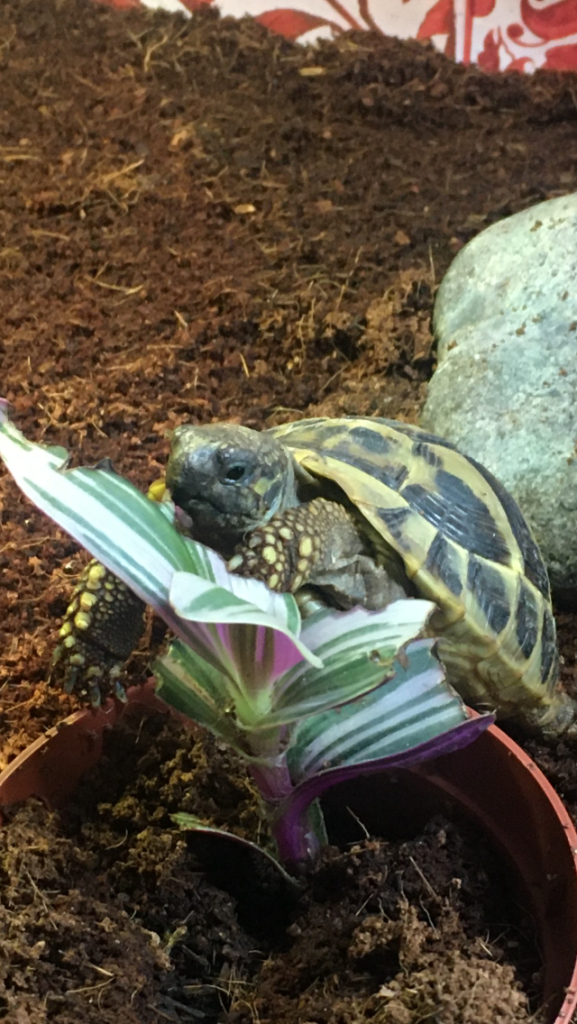
Tradescantia zebrina
Microgreens and balcony salad leaves: Mizuna, lettuce, lambs lettuce rocket etc as well as shallow root plants such as grasses and clover can be grown on a balcony, windowsills or under grow lights. I have not personally done these indoors during winter, but cannot think of a reason why it’s not a great way to grow salad veg and leaves.

Supplements
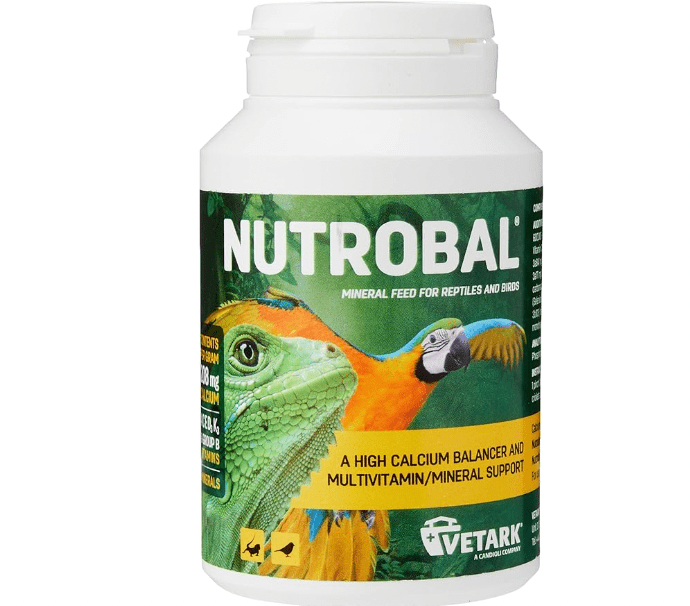
Calcium – A tortoise calcium supplement should be added to a tortoise’s food every other day. Since a typical tortoise diet is leafy greens, calcium is an essential supplement that should be added to their food. Calcium helps maintain the health of a tortoise’s shell so it is vital.

Click to purchase directly from my Amazon storefront earning me a small commission at no extra cost to you. https://amzn.to/4gTevki
Alternatively, chalk pieces or cuttlefish bone are also a great source of calcium. My tortoise is not a fan of cuttlefish bone and he has a “chalk sculpture”: in his table that I have never ever seen him use, but it is provided should he want it. Therefore I sprinkle a light dusting of Calci Dust onto his meal every other day.

Reptile Multivitamin – On alternate days, when I am not using a calcium supplement, I add a multivitamin powder to my tortoise’s meals to ensure he receives all the nutrients he needs.
Click to purchase directly from my Amazon storefront earning me a small commission at no extra cost to you. https://amzn.to/4hem7xB
Pre-alpin, usually found as small cobs of dried grasses and herbs is something I keep in my cupboard for emergencies. You add water to the cobs and they spring to life and soften. Not my tortoise’s favourite, but he has no problem eating it when added to other leaves or whatever else is offered.
I have used it in the past to bulk up meals on the odd occasion I have run out of fresh food to offer.
Pre Alpin is a great source of crude fibre, calcium and phosphrous, a little goes forever and it lasts forever so it’s good to have in store.
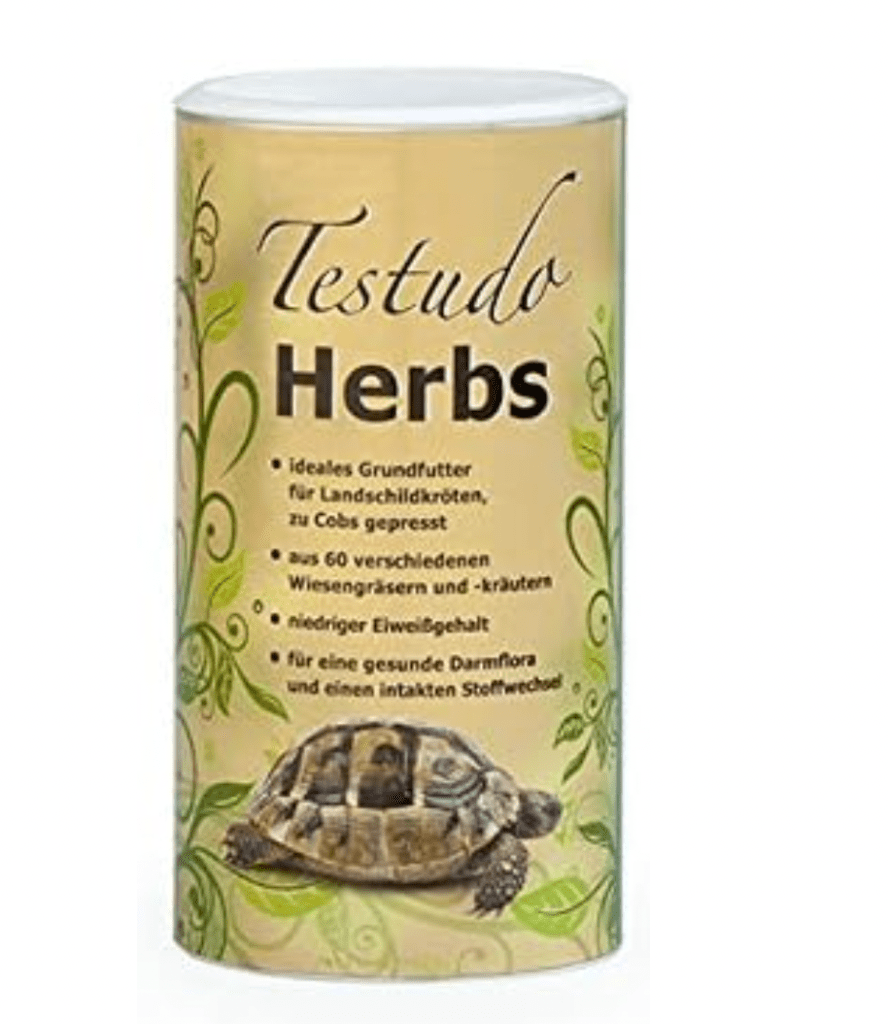
Click to purchase directly from my Amazon storefront earning me a small commission at no extra cost to you. https://amzn.to/4jfCBY3
Dried leaves and pellets
And finally, I thought I would mention the specially formulated dried leaves and pellets for tortoises that you can get. I do not feed these personally because I have never had any need to, but they are on the market, so it could be an option for you.

Click to purchase directly from my Amazon storefront earning me a small commission at no extra cost to you. https://amzn.to/3E4myME
I see the above mix contains marigolds and other tortoise-safe flowers. I grow marigolds and have fed fresh to my tortoise, but he wasn’t interested. I currently have some that I dried a few months ago so it might be worth offering some dried to see if he has changed his mind about them! It never occurred to me before to feed dried flowers, but could be worth a punt.
I hope this has given you some ideas on what is out there and available to feed your tortoises during the winter months!
 All Homesteading
Leave a comment