Time to read 7 minutes
Once you have taken the time to sow, grow and harvest your own vegetables, it’s equally important to know how to conserve and store your produce so you enjoy your harvests well into the winter months.
Here are a few tried and tested ways I have stored some of the crops I have grown over the years.
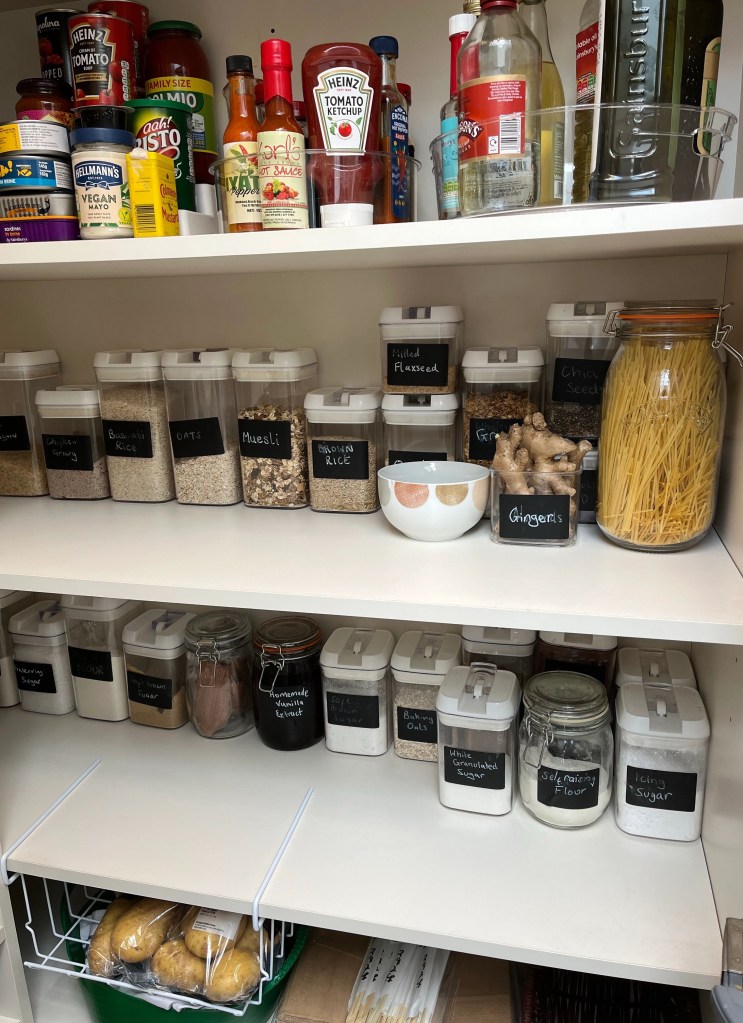
Preparing and Storing beans, peas and brassicas
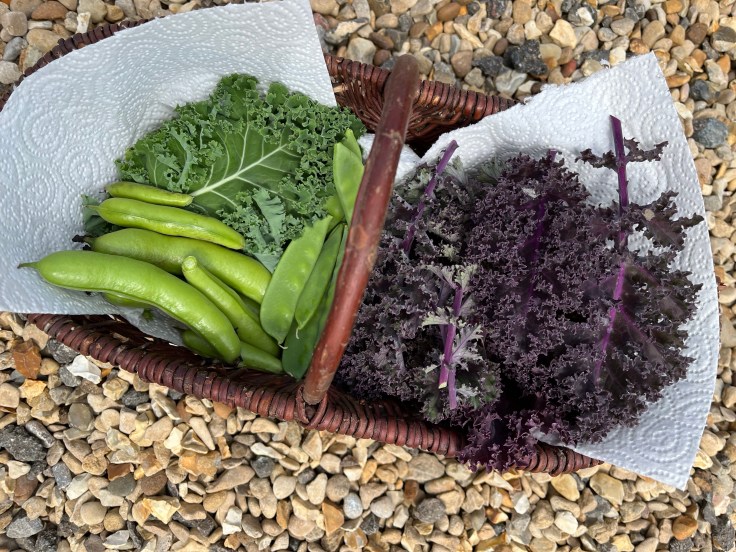
Preparing freshly picked beans and the like may take a bit of planning and effort but I promise you that it’s worth it when you know you will literally freeze time and have that just-picked whenever you decide to eat.
- For best results, harvest veggies when perfectly ripe
- Rinse and set a bowl with ice water aside
- Blanche the veggies by dunking them into a pan of water on a rolling boil for about 3 minutes
- Remove veg and dunk into the cold water to stop the cooking process
- Pat dry with a clean tea towel and lay the veg in rows on a baking tray lined with greaseproof paper.
- Put the tray in the freezer for an hour or so- this is just to harden the veggies enough to retain their shape for longer term storage.
- Remove from the freezer and store veggies in a container, freezer bag or a simple plastic ziplock
Enjoy whenever you want. I think for best quality, eat within a year of harvesting. I absolutely swear by this method for tip top freshness.
I have always been let down by the quality of frozen supermarket vegetables. Growing them and doing it yourself means that you are eating the best produce you possibly can!
Preparing Garlic and Onion for storage
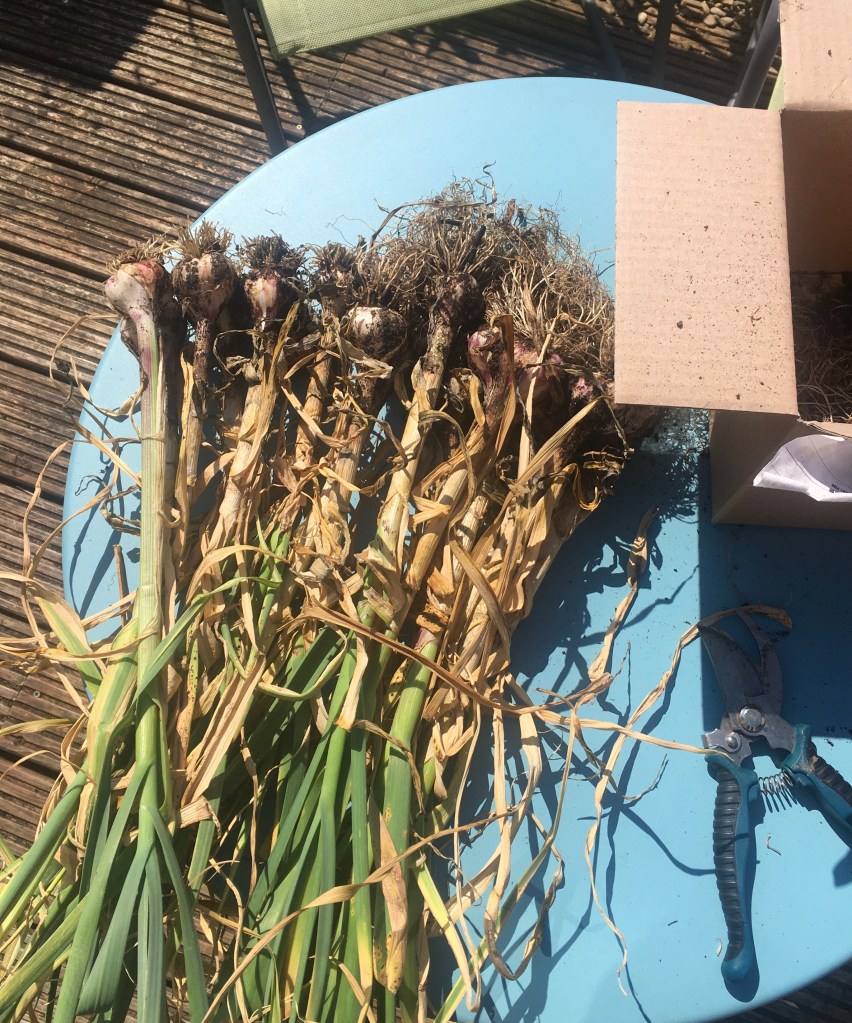
Once the stems start to brown on onions and garlic, they can be pulled.
I tend to shake off any excess compost and store in a dry cardboard box with the lid open for a few weeks in a dry, dark place like a garage.
Ensure the space is well ventilated because onion and garlic give off a strong smell when curing. You want for the outer skins around the bulbs to dry out and become papery to protect cloves for longer term storage.
After a few weeks, you should have fairly dry stems which can then be braided, which looks pretty, or tied with twine, and hung up.
I am a little sensitive to the smell of onion and garlic so as much as I would love to store the lovely looking bundle of garlic in my kitchen pantry, it smells a little too strong for me, so I store it in the garage.
If stored in a dry place, your onion and garlic can last for around 6 or 7 months.
Pickling freshly harvested veg for preservation
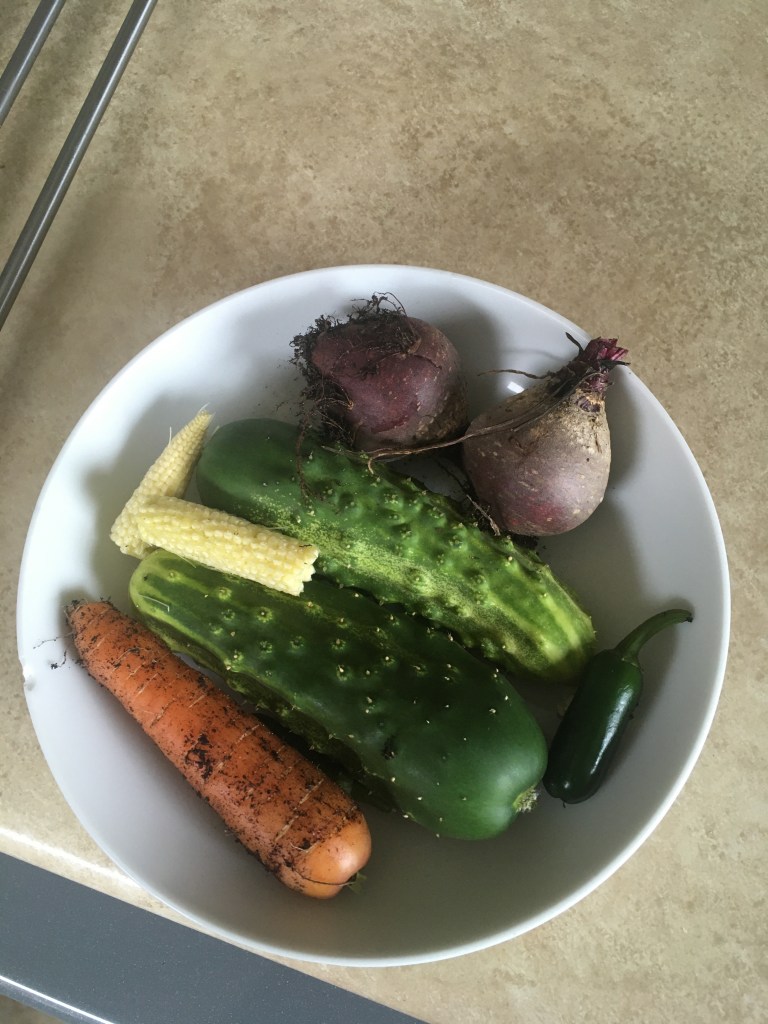
Quick Pickling is a way to store fresh vegetables in a solution of equal parts white vinegar and water and can be stored in the refrigerator for up to 2 months. (If you want to store your pickled vegetables for longer, you would be best to look at canning- it is best to can using a canning machine and ferment.)
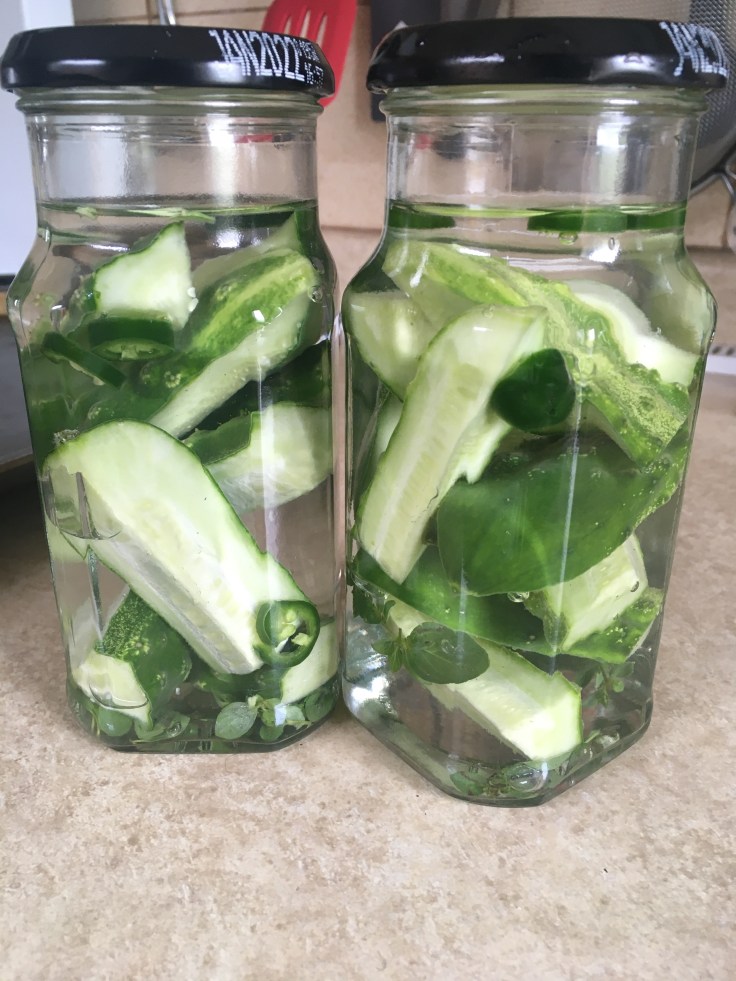
Quick Pickling
For my “Quick Pickles”
Prepare your jars by washing jars in warm soapy water. Submerge your jars in a pan of cold water and bring to the boil. Let cool until you are ready to fill.
- Equal parts vinegar (depends on your jar capacity)
- Equal parts water
- 2 pickling cucumbers – chop as you desire
- 1 green chilli – chopped
- 1 tablespoon of fresh oregano leaves
- 1 tablespoon sea salt
- 1 tablespoon granualted sugar
Assemble your ingredients in the jar- most fresh veg can be pickled in your vinegar/water solution. Add spices and seasonings, seal your jars and store in fridge. Pickles are ready to eat in a week or so. Store in the fridge for up to two months.
Drying and storing fresh herbs
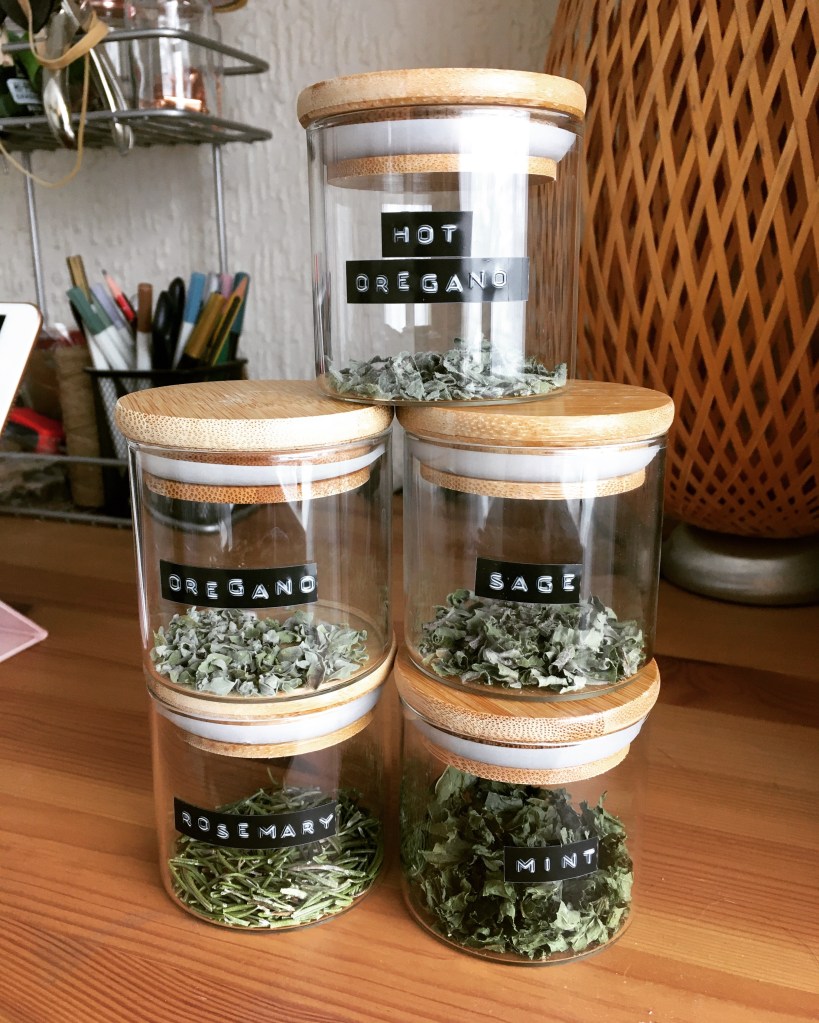
I prefer cooking with fresh herbs that we always have to hand in my vertical garden or in the greenhouse, but it’s always good to have dried herbs in the house, especially when you grow fresh and your plants need a trim or die off during the colder months.
My husband tends to almost exclusively use dried herbs when he cooks so here’s how we dry and store ours.
- Cut stems off plant
- bind the stems together with twine
- Hang to dry in a clean, dry place or place the stems in a reusable netting bag (so many uses for these!)
- After a few weeks, crumble and store. I use these as they are airtight and look cute in the kitchen. When stored correctly, herbs last for ages.
*The specific products I link to here I bought myself. I only recommend and link to products I have owned and used for years. I earn a tiny commission if you purchase using my link.
How I harvest and store tomatoes
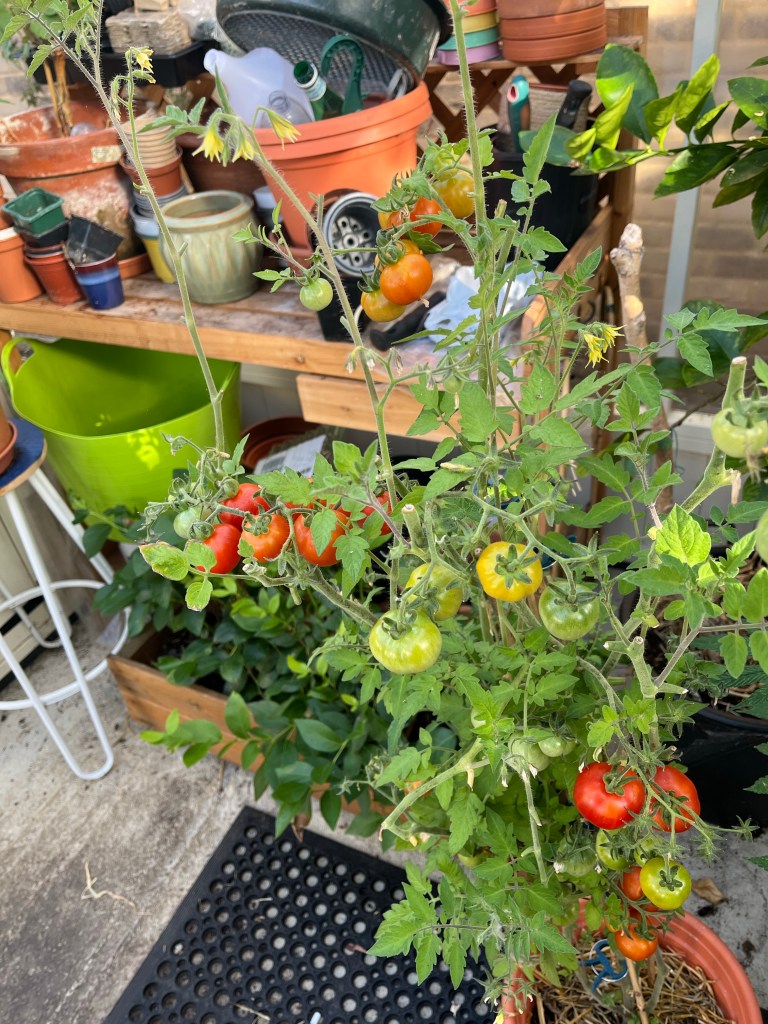
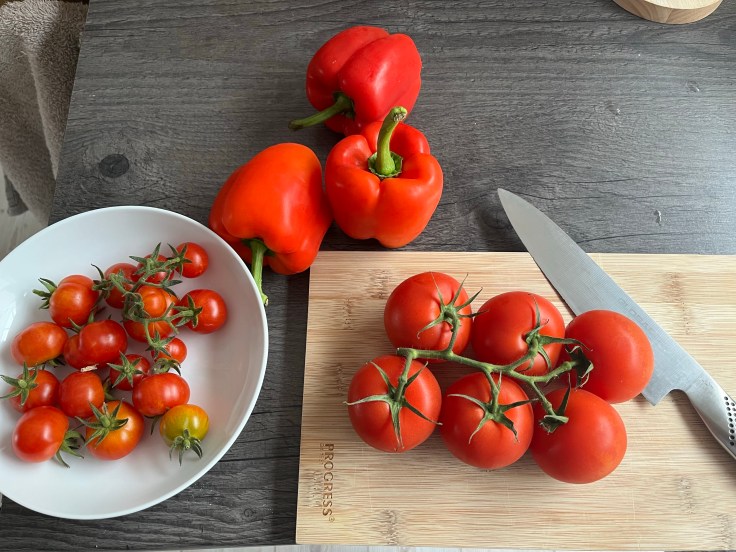

I like growing tomatoes. Tomatoes are versatile and we cook with them a lot. HOWEVER, no one in my household actually likes to eat tomatoes as they are and additionally, they’re a faff to freeze store whole.
In our house they are much more of an ingredient anyway so it makes it easy for us to process and store.
I tend to make a simple tomato passata in the food processor to store in the deep freeze to have it readily available for bolognese or as a curry base.
I also cook batches and batches of soup. A firm favourite is the tomato and pepper recipe my brother gave me.
I store that in batches in the freezer. I tend to store in individual portions in these containers so that we have it easily available to microwave for quick lunches and dinners.
Soft fruit

Strawberry Jam and Preserves
Disclaimer: I have made lots of jams from freshly picked soft fruit but I can’t promise that I did not use them up immediately to slather on toast or as a filling for one of my Victoria sponges

I always follow this BBC good food recipe for yummy strawberry jam.
Growing and preserving ginger
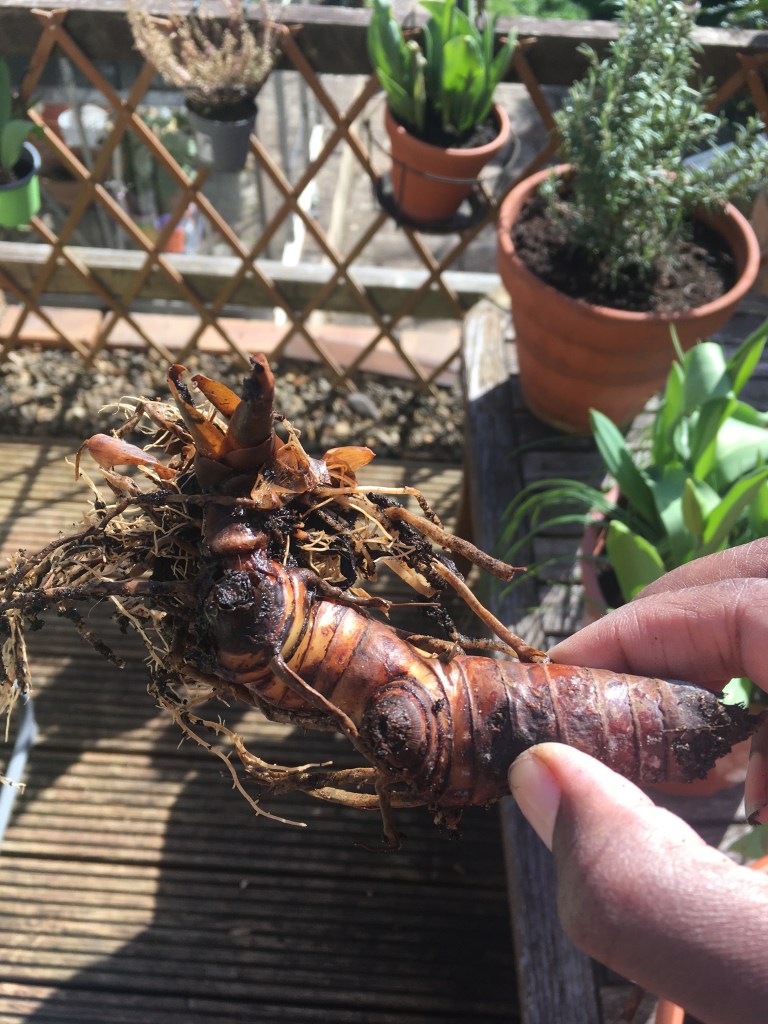
I have a sustainable system going on with ginger.
After a year growing, I harvest the rhizomes and store in a simple container in my pantry.
I leave any ends that may sprout ignored in the pantry. As soon as they look like they are about to sprout, I plant that small section and another rhizome will will grow in another year.
We get through a copious amount of ginger (I am obsessed with ginger in my cooking, baking and steeped in teas.) so I do also need to buy some more ginger throughout the year to supplement my habit.
Storing Citrus
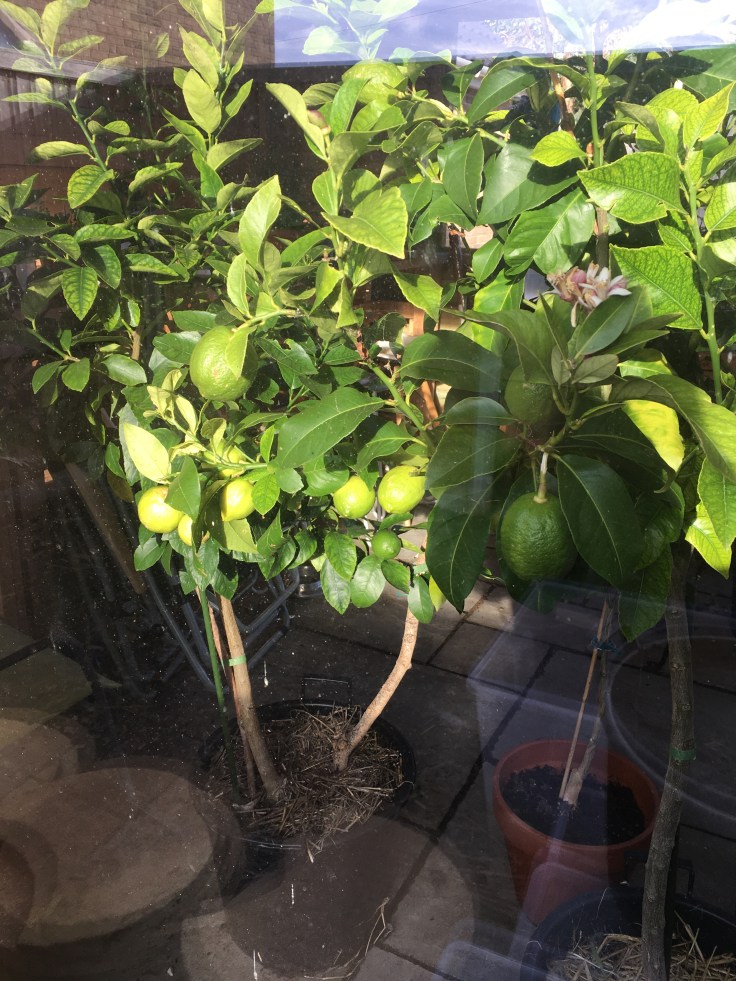
It is actually best to store fruits like lemons and limes on the plant. I tend to store them there and pick as and when needed for the best possible freshness.
Further Reading:
Quick Pickling: https://www.thekitchn.com/how-to-quick-pickle-any-vegetable-233882
Preparing and sterilising food jars: https://www.kilnerjar.co.uk/sterilising-jam-jars-hygiene#:~:text=Fill%20the%20pan%20with%20cold,pouring%20boiling%20water%20into%20them.
Strawberry Jam recipe: https://www.bbcgoodfood.com/recipes/strawberry-jam
Related: Growing a Vanilla Orchid and Homemade Vanilla Extract
 All Homesteading
Lovely photos! Can’t wait for spring to arrive.
LikeLike
Thank you! I hope you like my other offerings. 🙂 I can’t wait for Spring to arrive either but I have lots to do to prepare for the upcoming growing season. Exciting!
LikeLike
Oh yes, always plenty of work to do before spring arrives. Very exciting indeed! Happy gardening~ 🌻
LikeLiked by 1 person