Time to read 5 minutes
Having a tortoise teaches you a lot about your own life and routines. She reminds me to slow down, to eat my veggies, drink my water and to mind my own business but I would like to share some information on what my tortoise eats and where I source her food.
Since most plants are seasonal, I do a mixture of growing my own food for her to eat as well as foraging in the garden and local area for tortoise edible weeds.
Details of my tortoise care as well as indoor and outdoor enclosures here.
Occasionally, I buy a bag of “Florette Crispy” from the supermarket during the winter to add a bit of variety to the scant supply of overwintered plants.
The key for a healthy tortoise diet is variety.
Similarly when I grow food or shop for my family, a good variety of food ensures the intake of the necessary nutrition and makes it more likely to be able to access food throughout the year, across the seasons. I feed my tortoise once a day, everyday.
In her outdoor enclosure, she has access to edible plants that she can forage herself but when she is in her indoor table, I feed enough food to fit a medium tapas bowl – which is roughly the size of her shell.
I empty this out onto her feeding slate, which helps to blunt down her beak as she eats as they would in the wild.

Tortoise’s Favourite Foods
Lenny certainly expresses favourite foods.
Once a pile of assorted leaves and flowers have been offered, she usually bulldozes everything out of the way to get to her favourites and those are eaten first.
Sometimes this bias is towards whatever is offered and in season and some are simply, all time favourites.

I have noticed that she is partial to a large Dahlia flower – the pink pom pom varieties, not the yellow ones, dahling! She also loves dandelion, ribwort plantain, sow thistle, red chicory, callisia turtle vine, mallow, tradescantia, broadleaf plantain, hibiscus flowers, radicchio, donkeys tail, lettuce, cucumber, evening primrose leaves, cress, aster, and bell flowers.
What can I say, the gal loves her food.
Some of these I grow from seeds (that I have bought myself or harvested from wild local plants), some I grow as garden or house plants and others I forage in my local area.
Growing Indoors
Some tortoise edible plants that I keep as houseplants are Boston ferns, prickly pear cactus, aloe vera, turtle vine and burro’s tail cactus.
The latter I like to snap off the leaves and feed to tort as a snack during the day.
The thing to remember about house and garden plants intended as tortoise feed is you have to remember to not use any plant feed – just plain water.

Growing Outdoor and in Greenhouse
Lenny eats some of the cucumber, kale (in moderation), chicory and other salad greens I grow but I tend to keep an area in the greenhouse specifically for Tortoise edibles (labelled so it’s easy for others to take the responsibility to feed the tortoise when I am not available or we are away).
I also rotate plants from the greenhouse where they can easily grow and receive care, to into the tortoise enclosure or indoor table where they are nibbled, worried and climbed on so the greenhouse acts as a kind of respite area for the plants.
Some of these plants include sedum, lemon balm, wasabi leaves, evening primrose, oregano, grape vine leaves, strawberry leaves pansies, pot marigold, echinacea, cornflowers and nasturtiums.


Foraging for your tortoise
Despite growing a wide range of nutritious plants for my tortoise, I would say, the backbone of her diet comes from foraging.
The most nutritious, safe feeds for mediterranean tortoises can be found growing everywhere and are easily accessible no matter where you live: the common weed plants.
Despite living in a tiny, somewhat rural town, I do not live walking distance to a lot of fields. However, on my daily dog walks, I can easily find broadleaf and flat leaf plantain, bindweed, dandelion, cleavers, buddleia, mallow, clover, red valerian and other very fibrous and healthy plants.

Look in fields, alleyways, parks and grass verges though with the latter, the best verges are the ones with little to no traffic to limit contamination.
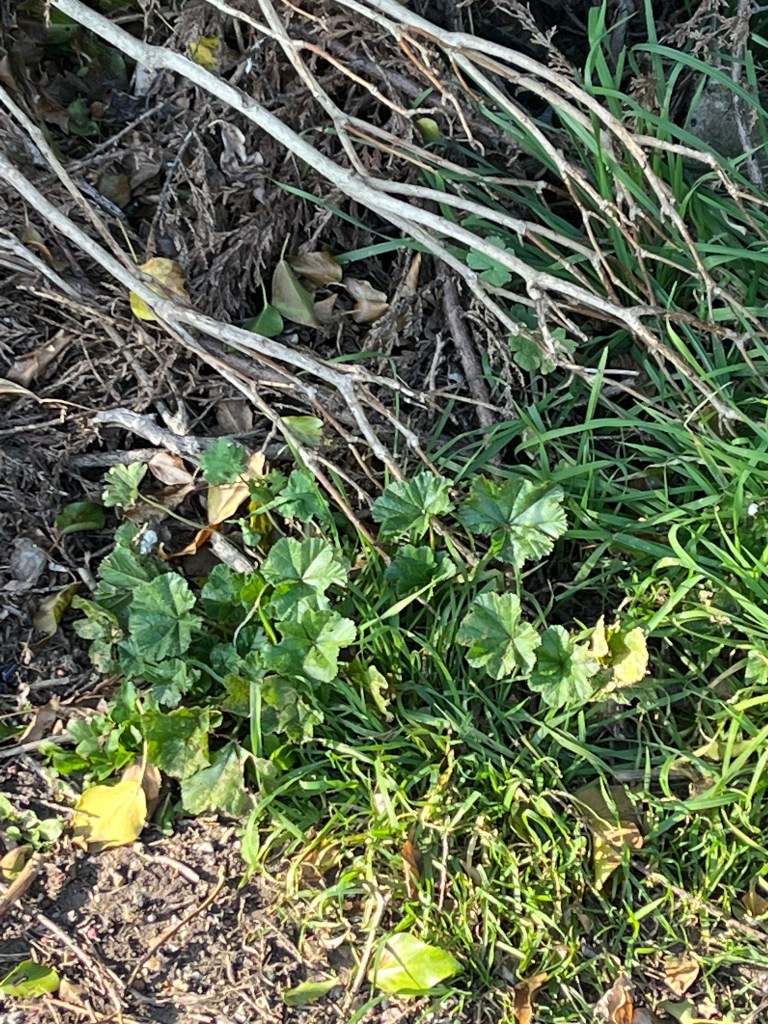
Like with all foraging though, correct identification is paramount to keep everyone safe.

I use Google Lens to first try and identify the name of the plant, then I cross reference the name Google gives me against other images of the plant to make an informed decision as to what something is.
Then I lookup whether the plant is edible on https://www.thetortoisetable.org.uk/ A database for tortoise edible plants. If I am ever in doubt, I leave it.
There are many plants I am comfortable identifying so it is just not worth taking the risk with something I have any doubts about.

Storage for freshly harvested or foraged produce

Once harvested, plants can be rinsed and stored in a plastic container lined with kitchen paper. Seal the container in the fridge and its contents should be good for about a week.
Nutritional Supplements for Tortoises
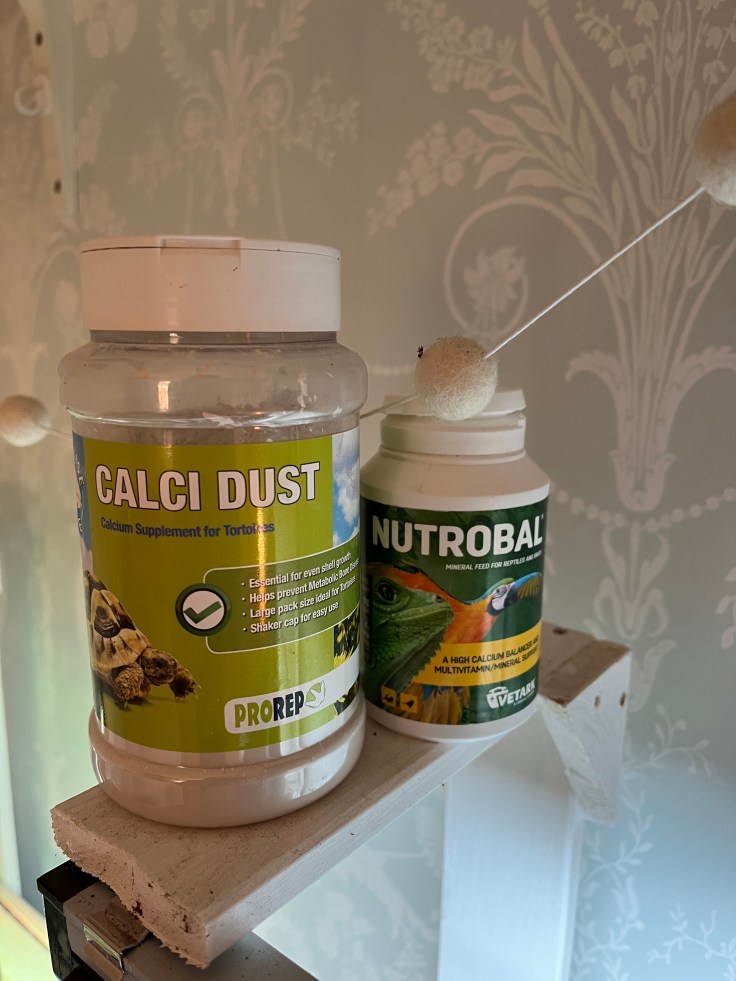
I also sprinkle the following supplements on Lenny’s food on alternate days (just a light dusting as you would salt on your fries.
The Calci Dust is a calcium supplement for their beaks and shells, and the Nutrobal is a multivit.
Further Resources:
The Tortoise Table: https://www.thetortoisetable.org.uk/
Hermann’s Tortoise UK Facebook Group: https://www.facebook.com/groups/1724009274277758
 All Homesteading
Leave a comment